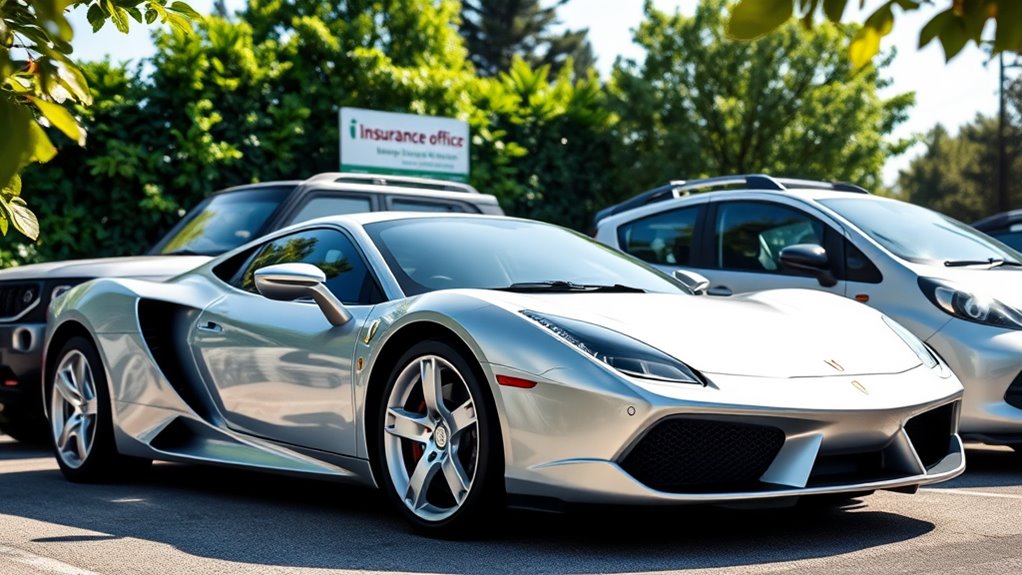
Imagine cruising down the highway in your dream car, but have you considered how that choice impacts your insurance rates? Different vehicle types come with distinct insurance costs, influenced by factors like safety ratings and repair expenses. Understanding these nuances can help you make a more informed decision about your next purchase. Let's explore how sedans, SUVs, sports cars, luxury vehicles, and minivans stack up against each other regarding insurance costs.
Key Takeaways
- Sedans typically have lower insurance premiums due to reduced crash rates and repair costs, averaging around $2,678 for full coverage.
- SUVs incur higher premiums, averaging $1,529, due to expensive repair processes and higher MSRP.
- Sports cars face elevated insurance costs, often exceeding $3,000 annually, due to high performance and increased theft risk.
- Luxury cars average 18% more in insurance premiums than sedans, influenced by advanced technology and higher liability limits.
- Minivans offer affordable insurance rates, averaging $122 less than sedans, thanks to advanced safety features and lower crash statistics.
Sedans: Balancing Cost and Coverage

When considering a sedan, it's crucial to balance cost and coverage to guarantee you're not only protecting your investment but also managing your insurance expenses effectively.
Generally, sedans are cheaper to insure than SUVs or luxury cars, with average full coverage premiums around $2,678. Factors like crash rates, repair costs, and safety features greatly impact these premiums. Vehicle safety ratings play a crucial role in determining premiums for sedans, which can further affect your overall insurance costs. Additionally, affordable car insurance options can help you find the right coverage without breaking the bank.
Sedans typically have lower insurance rates than SUVs or luxury vehicles, with average premiums around $2,678.
For instance, the Toyota Camry and Honda Civic are among the most affordable sedans to insure. Conversely, luxury models like the BMW 3 Series can cost over $3,000 annually.
Additionally, vehicle age and specific model features, such as advanced safety technologies, can further influence your insurance costs, making it essential to evaluate all aspects before making your decision.
SUVs: Higher Premiums for Versatility
While sedans offer a balance between cost and coverage, SUVs present a different set of insurance challenges due to their unique characteristics.
Typically larger than sedans, SUVs incur higher premiums largely because of their more expensive repair processes. The average full-coverage insurance for medium SUVs is around $1,529, reflecting the costs associated with parts and labor.
Although many SUVs boast advanced safety features that can mitigate some risks, their higher MSRP directly impacts insurance rates. Additionally, factors like engine size and driving habits further influence premiums.
Urban dwellers may find costs even steeper due to increased risks. Overall, the versatility of SUVs comes at a price, making insurance considerations essential for potential buyers.
Sports Cars: Premiums Due to Performance
Because sports cars are designed for high performance, they often come with considerably higher insurance premiums compared to standard vehicles. The powerful engines and speed capabilities increase the risk of accidents, leading insurers to charge more.
Here are some key factors contributing to these elevated costs:
- Repair costs: Specialty parts and finishes are more expensive to replace.
- Driver demographics: Inexperienced drivers, often attracted to sports cars, face higher premiums.
- Theft risk: High desirability makes these cars prime targets for theft.
When considering a sports car, it's crucial to factor in that your insurance could exceed $3,000 annually, with premiums notably higher than standard vehicles.
Understanding these elements can help you make informed decisions about your insurance options.
Luxury Cars: The Price of Prestige

Owning a luxury car often signifies a status symbol, yet this prestige comes at a cost—specifically, higher insurance premiums. On average, you'll pay about 18% more for insurance on luxury vehicles compared to moderately priced sedans.
Models like the BMW 330i and Mercedes-Benz CLS-Class can incur annual premiums exceeding $2,500 due to their higher purchase prices and expensive components.
Factors such as make, model, location, and your driving record heavily influence insurance rates. To protect your assets, higher liability limits are often recommended.
While advanced technology and performance features contribute to increased costs, maintaining a good driving record and comparing insurance providers can help you find more affordable options while enjoying your luxury ride.
Minivans: Affordable Insurance for Family Vehicles
Luxury vehicles may come with hefty insurance premiums, but minivans present a more budget-friendly option for families seeking both space and safety.
With an average annual premium difference of $122 compared to sedans, minivans stand out for their affordability.
Minivans offer significant savings on insurance, averaging $122 less annually than sedans.
Here are a few reasons why:
- Advanced Safety Features: Many minivans come equipped with top-tier safety features, resulting in lower insurance costs.
- Lower Crash Rates: Minivans generally have lower crash statistics, contributing to their reduced premiums.
- Model Variability: Choices like the Honda Odyssey or Chrysler Pacifica can offer competitive insurance rates.
When selecting a family vehicle, minivans not only provide ample room but also save you money on insurance in the long run.
Conclusion
When you choose your vehicle, think of it as selecting a key to a treasure chest—each type reveals a different level of insurance costs. Sedans offer a balanced entry, while SUVs and luxury cars may demand a heftier investment for their benefits. Sports cars, like racehorses, can lead to steep premiums due to their speed and allure. On the other hand, minivans serve as economical options, providing safety without breaking the bank. Your choice shapes your financial landscape.